
Why Does Your Balance Get Worse? And Can You Improve It?
Why Does Your Balance Get Worse?
And Can You Improve It?
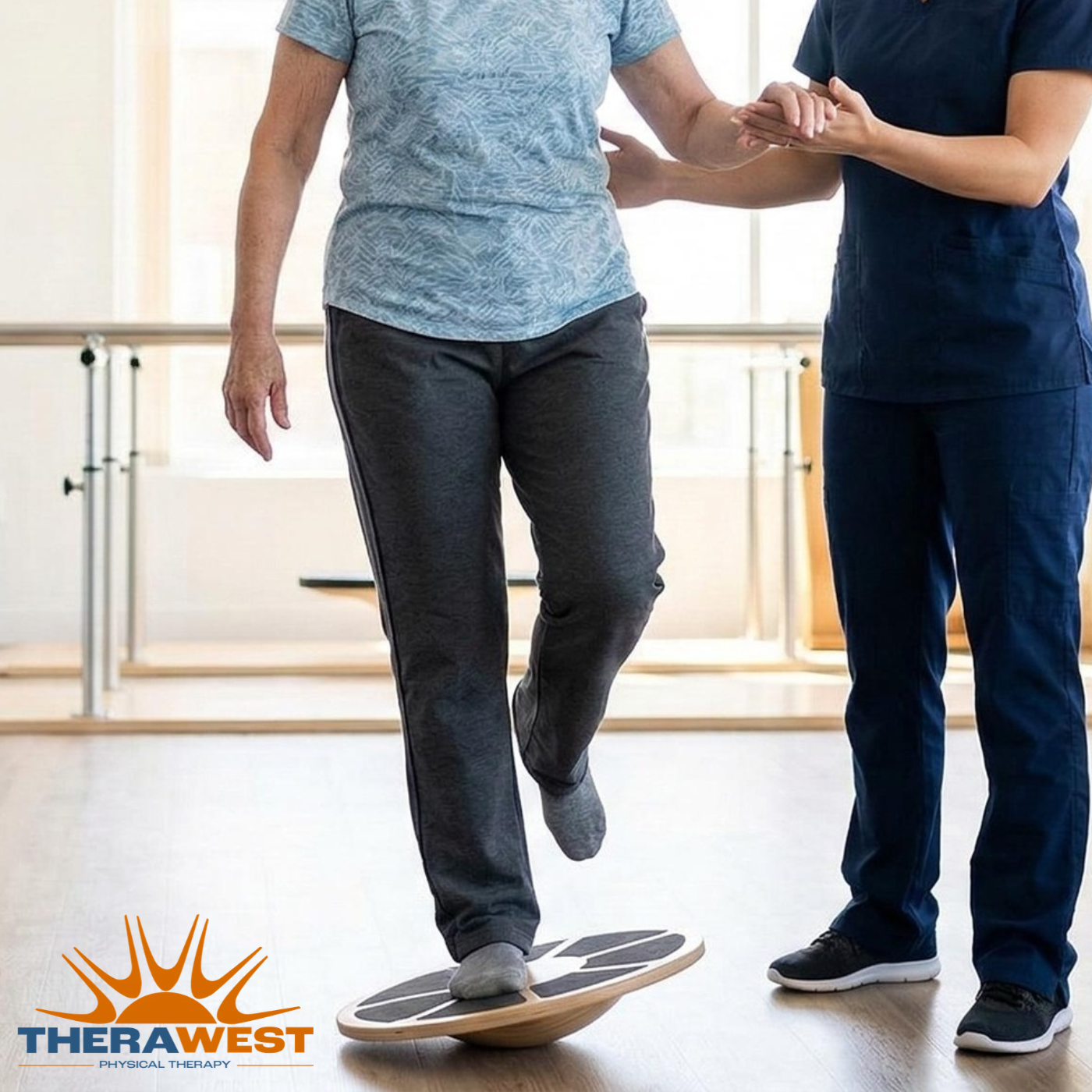
Have you ever stood up too quickly and felt a little unsteady? Maybe you've started reaching for the handrail more often, or you've noticed that walking on uneven ground doesn't feel quite as easy as it used to.
Changes in balance can happen gradually, and they're easy to overlook until something makes you notice.
But here's something worth knowing: Balance isn't just something you either have or don't have. It's a skill your body can often improve with practice.
What Actually Controls Your Balance?
Your balance depends on several systems working together.
Your brain constantly receives information from your eyes, inner ears, muscles, and joints to help determine where your body is in space.
Three systems play especially important roles:
Vision: Your eyes help you understand your surroundings and recognize changes in the environment.
Vestibular system: Located in your inner ear, this system helps detect head movement and position.
Proprioception: Sensors in your muscles and joints help your brain understand where different parts of your body are, even when you're not looking at them.
Your muscles and nervous system then work together to make the adjustments needed to keep you steady.
When one or more of these systems isn't functioning as effectively, balance can become more challenging.
Why Does Balance Sometimes Get Worse With Age?
As we age, changes in strength, sensation, vision, reaction time, and the vestibular system can affect balance.
But age isn't the only factor.
Balance difficulties may also be associated with:
Reduced muscle strength
Certain medications
Inner ear conditions
Changes in vision
Nerve or sensory problems
Previous injuries
Reduced physical activity
Certain neurological or medical conditions
Because balance problems can have many causes, identifying what's contributing to them is an important first step.
Five Signs Your Balance May Need Attention
Balance difficulties don't always begin with a fall.
Sometimes the changes are subtle.
1. You rely on furniture or walls for support.
If you regularly reach for nearby objects while walking around your home, it may be a sign that you're feeling less steady.
2. Uneven ground feels more challenging.
Grass, gravel, sidewalks, and unfamiliar surfaces can require more balance control than smooth indoor floors.
3. You feel unsteady when turning.
Changing direction requires your body to coordinate movement and maintain stability.
4. You avoid activities because you're afraid of falling.
Fear of falling can lead people to reduce activity, which may contribute to further losses in strength and confidence.
5. You've experienced a fall or several near-falls.
Even if you weren't injured, repeated near-falls deserve attention.
Can You Actually Improve Your Balance?
For many people, yes.
Balance can often improve through appropriately selected exercises that challenge the systems responsible for keeping you steady.
Depending on your needs, a program might include:
Strengthening your legs and hips
Practicing safe weight shifts
Improving coordination
Walking and turning exercises
Practicing controlled movements on different surfaces
Training your body's responses to changes in position
The key is choosing exercises that match your current abilities and gradually increasing the challenge.
Balance training should be challenging enough to encourage improvement, but safe enough to avoid unnecessary fall risk.
If you're already unsteady, don't attempt difficult balance exercises without appropriate support or supervision.
When Should Balance Problems Be Evaluated?
Occasional unsteadiness can happen, but persistent or worsening balance difficulties shouldn't automatically be dismissed as a normal part of aging.
Consider an evaluation if you've experienced:
Frequent stumbling or near-falls
Difficulty walking on uneven surfaces
Increasing reliance on handrails or furniture
Fear of falling during everyday activities
Changes in walking patterns
Difficulty maintaining balance during routine tasks
Sudden loss of balance, especially with weakness, facial drooping, difficulty speaking, or new vision changes, can be a sign of a medical emergency and requires immediate emergency care.
New or persistent dizziness also deserves medical evaluation because not every balance problem is caused by weakness or reduced mobility.
How Can Physical Therapy Help With Balance?
Physical therapists evaluate the way your body moves and help identify physical factors that may be contributing to instability.
Depending on your individual needs, treatment may include strength training, gait training, balance exercises, coordination activities, and other interventions designed to improve mobility and confidence.
Some patients may also benefit from vestibular rehabilitation when appropriate.
The goal isn't simply to help you avoid falling.
It's to help you feel more confident walking through your home, enjoying outdoor activities, spending time with family, and continuing to do the things you love.
Stay Steady. Stay Active.
If you've noticed changes in your balance, you don't necessarily have to accept them as an unavoidable part of getting older.
At TheraWest Physical Therapy, our team can evaluate your mobility, strength, and balance to help determine an appropriate treatment plan.
With locations in Yukon, Clinton, Weatherford, and North Oklahoma City, we're here to help you keep moving confidently.
Learn more about our services:https://www.therawest.net/services
Schedule an appointment:https://www.therawest.net/appointment